
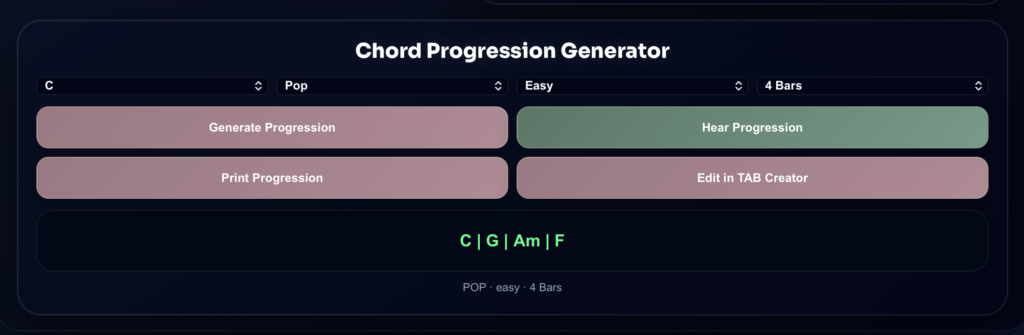
Let’s start with a simple chord progression – a classic for a reason! Try something like Am – G – C – F. Focus on smooth transitions between these chords. Experiment with different strumming patterns – down-down-up-down-up is a good starting point, but don’t be afraid to vary it. Record yourself playing and listen back critically. Pay attention to the rhythm and how the chords feel together. Don’t overcomplicate it initially; a strong foundation is key. Use a metronome to ensure consistent timing. Most importantly, focus on the lyrics – a great melody can’t save a weak song, but a compelling story can elevate even a simple chord progression. Now, let’s build on that. Introduce a bridge – perhaps a slightly different chord progression like Dm – Am – E – Am. Consider adding a pre-chorus to build anticipation. Experiment with dynamics – quieter verses, louder choruses. Don’t be afraid to use a capo to change the key and find a comfortable vocal range. Think about adding a simple instrumental break – a short, repeating riff can add interest.
Melodic Hooks & Vocal Focus
Let’s explore some basic songwriting techniques using C Major and A Minor, two chords that work incredibly well together. These chords are the foundation of countless popular songs. A common starting point is C – G – Am – F (C Major, G Major, A Minor, F Major). This creates a bright, uplifting feel. Alternatively, try C – Am – F – G – a more melancholic, introspective progression. Notice how the movement from C to Am creates a strong pull. Imagine a verse about a lost love. You could use this simple progression: C – G – C – G . Play a gentle strumming pattern. Lyrics could be something like: “Rain falls down, just like my tears / Lost in memories, fueled by fears / C – G – C – G / Wishing you were here.” Now, shift to A Minor for a more emotional chorus.
Chord Progression Exploration
Let’s explore some basic songwriting techniques using guitar. Start with understanding keys – they’re the foundation of your song’s mood. G Major is bright and uplifting. A common progression is G – C – D. Try strumming this repeatedly, focusing on a simple, driving rhythm. For a happier feel, consider adding a G/B (G chord with B in the bass) for a smoother transition. E Minor offers a melancholic vibe. A classic progression is Em – C – G – D. Experiment with fingerpicking this progression – a gentle arpeggio can be very effective. Notice how the shift from E minor to G major creates a nice contrast. Verse 1: Start with a simple melody over the Em – C – G – D progression. Focus on a lyrical theme – perhaps a feeling of longing. Chorus: Shift to G – C – D for a more powerful, uplifting feel.
Rhythmic Foundation & Groove
Let’s explore how to build compelling songs using chord progressions. The key is understanding how chords relate to each other and evoke specific emotions. We’ll look at a few examples, focusing on D major and B minor. A classic starting point: D – G – A – D . This progression is incredibly common for a reason – it’s bright, optimistic, and feels good. Try strumming gently to capture this feeling. This works well for songs about hope or new beginnings. Now, let’s shift to a more introspective mood. Try Bmin – E7 – A – D . The E7 adds a touch of bluesy tension before resolving back to D. B minor is naturally sadder than D major. Experiment with a slower tempo and fingerpicking to enhance the emotional impact. This is great for songs about loss or nostalgia. Remember, these are just starting points. Don’t be afraid to experiment!
Lyric Storytelling & Imagery
Rhythm: Dotted eighth note – sixteenth note pattern (e.g., 1 & & & 2 & & &) Melody: Simple descending line – E2 – D2 – C2 – B1 – A1. Repeat with slight variation. Focus on space and silence. Chords: Am – G – C – F (played sparsely) Lyrics Idea: “Rain falls on the window pane, mirroring the tears I can’t restrain…” Rhythm: Straight eighth notes, with a slight syncopation on the off-beats (e.g., 1 & 2 & 3 & 4 &) Melody: Ascending and descending scale runs – A3 – B3 – C4 – D4 – E4 – D4 – C4 – B3 Chords: D – A – E – G (power chords) Lyrics Idea: “Pushing forward, can’t look back, gotta break free from this track…” Rhythm: Long, sustained notes with occasional rests. Experiment with arpeggios.
Dynamic Variation & Build-Ups
This progression (Amaj7 – Dm7 – Gmaj7 – Cmaj7) is incredibly common in jazz and contemporary pop, offering a smooth, sophisticated feel. It’s fantastic for creating introspective or romantic songs. This progression is built around major 7th chords, lending a mellow and airy quality. Experiment with inversions to change the bassline and create subtle variations. Let’s say we’re writing a verse. A simple melody could be: Amaj7: E – C# – B – E Dm7: F# – A – C – F# Gmaj7: D – B – G – D Cmaj7: E – G – C – E This creates a flowing, almost conversational feel. Focus on rhythmic variation within each chord to keep it interesting. Don’t just strum! Use different rhythmic patterns – syncopation, rests – and vary your strumming intensity to build emotion. Consider adding a subtle arpeggio on the A major 7 chord for a shimmering effect.
Let’s build a simple song. Start with a chord progression – I suggest Am – G – C – F. Play this repeatedly for 4 bars. Focus on rhythm; try a steady strumming pattern (down, down, up, down, up). Next, write a melody over the chords. Keep it simple, 4-8 notes per bar. Record yourself humming or playing it on your guitar. Don’t overthink it! Finally, craft a lyric . Just one line for the first verse is fine – something about feeling lost or searching. Sing it with the melody. Next Session Action: Record a rough demo of your chord progression and melody. Aim for 30 seconds.
For related practice ideas, visit our chords and theory guides.