Choosing guitar gear is confusing—especially when reviews, buying guides, and forums offer conflicting advice. Instead of sifting through hype and myths, this piece directly compares the most common misconceptions about gear reviews and buying guides. We’ll address whether boutique pedals really outperform affordable options, if you need the most expensive amp for good tone, and how to spot review bias. You’ll get practical, myth-busting insight to help you make better decisions, with step-by-step workflow and concrete examples for guitarists. Whether you’re picking your first electric or exploring effects, this guide demystifies what matters most in gear choices and how to use reviews for your real needs—not just industry trends or influencer favorites.
Gear Reviews & Buying Guides: Separating Myth from Reality
Many guitarists start gear shopping with a flood of information: star ratings, YouTube demos, user reviews, and endless “Top 10” lists. This avalanche leads to several persistent myths. For example, many believe only high-end brands deliver usable tones, or that the newest release always means better quality. In reality, much of guitar gear performance comes down to matching features with your actual playing style and setup — not brand prestige, price tag, or influencer endorsements.
Consider distortion pedals: a $200 boutique overdrive might sound fantastic in a professional studio, but a $30 classic pedal can be perfect for home practice or gigging if it suits your amp and technique. For example, the Boss DS-1, a budget-friendly staple, is used by players like Kurt Cobain and Steve Vai, proving that affordable gear can deliver iconic tones. Similarly, reviews often focus on features unrelated to your needs. For example, an amp’s built-in effects might be rated poorly by a metal player, but could be just right for someone playing indie or jazz. The key is understanding your own requirements, budget, and workflow.
Furthermore, reviews can be influenced by marketing relationships or reviewer bias. A glossy video may not reveal issues like reliability, noise, or compatibility with your existing rig. Instead, focus on hands-on examples and clear comparisons. For instance, compare how two delay pedals handle slapback echo in a live mix, such as the MXR Carbon Copy versus the TC Electronic Flashback, or how a budget multi-effects unit like the Zoom G1 Four works with your specific guitar pickups. Real gear value comes from how it fits your music and workflow, not just from ratings or price.
Step-by-Step Workflow: Making Smart Gear Choices
1. Define Your Practical Needs
Start by outlining your actual requirements. Are you looking for a pedal to boost solos, an amp for home practice, or an interface for recording? List your priorities: portability, tone shaping, connectivity, or price. For example, if you mostly play at home, a 5-watt tube amp like the Blackstar HT-5R may offer more usable tones at lower volumes than a 50-watt stack such as the Marshall DSL50. Identify what gaps you want to fill in your current setup, and note any “nice to have” versus “must have” features. This clarity narrows your search and prevents being swayed by irrelevant specs or hype.
2. Research with Intentional Comparisons
Gather reviews from multiple sources—user forums, professional demos, and written guides. Don’t just look for the highest ratings; instead, compare how products perform in scenarios that match your playing style. If you’re considering delay pedals, seek out demos using similar guitars and amps to yours, such as a Fender Stratocaster through a Vox AC15. Use side-by-side comparison charts to weigh features that matter most to you, such as true bypass, tap tempo, or stereo outputs. For example, compare the Electro-Harmonix Memory Man with the Boss DD-8 for analog versus digital delay characteristics. This approach filters out marketing fluff and focuses on practical performance relevant to your workflow.
3. Double-Check for Reviewer Bias
Not all reviews are impartial. Look for signs of paid promotion, affiliate links, or excessive brand loyalty. Read both positive and negative feedback to get a balanced view. If a pedal is universally praised but consistently criticized for build quality in user forums, like some early Joyo pedals, take note. When in doubt, prioritize reviews that include direct audio examples, long-term usage reports, or direct comparisons with similar gear. For instance, a reviewer who compares the Strymon BigSky to the TC Electronic Hall of Fame Reverb in the same signal chain provides more useful context. This helps identify whether the product will hold up in your specific environment.
4. Test Gear in Context (When Possible)
If you can, try gear with your own guitar and amp at a local shop, or borrow from friends. Pay attention to how the gear interacts with your existing rig—does an overdrive pedal like the Ibanez Tube Screamer push your amp into unwanted harshness, or does it enhance your clean tone? If in-person testing isn’t possible, watch demo videos using equipment similar to yours, such as a Les Paul through a Fender Blues Junior. Note how controls respond to real-world playing, not just isolated licks. This ensures you’re judging gear based on practical use, not just idealized studio settings.
5. Factor in Workflow and Long-Term Value
Consider how new gear will integrate into your practice, recording, or performance workflow. Will a complex multi-effects unit like the Line 6 Helix distract from playing, or does it streamline your pedalboard? Does a compact amp like the Yamaha THR10 fit your rehearsal space? Think about maintenance, power requirements, and future expandability. For example, a simple looper pedal like the TC Ditto might get you started, but a model with MIDI sync such as the Boss RC-500 could future-proof your setup if you plan to add more gear. This step is crucial for matching your purchase to your evolving needs, rather than chasing trends.
6. Use Tools to Organize and Compare
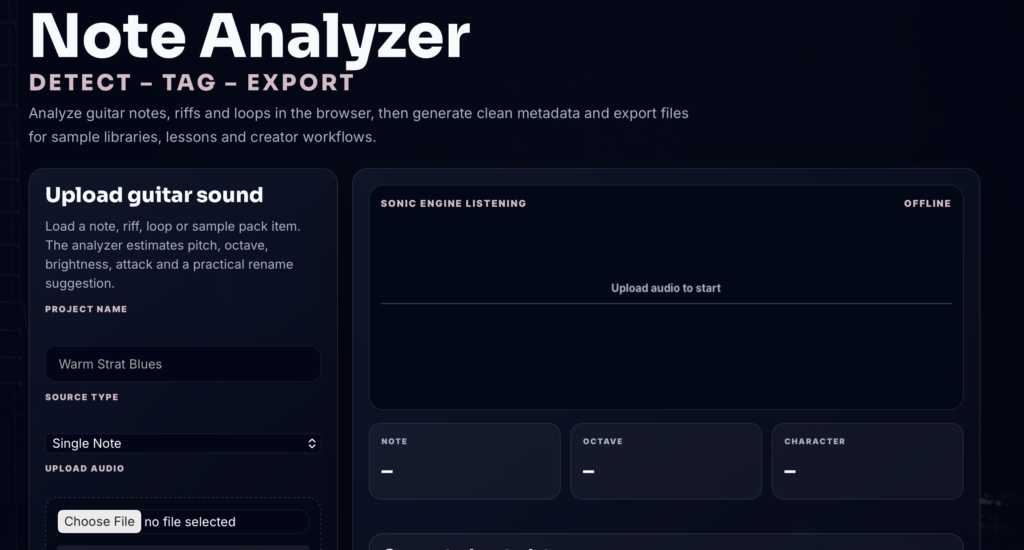
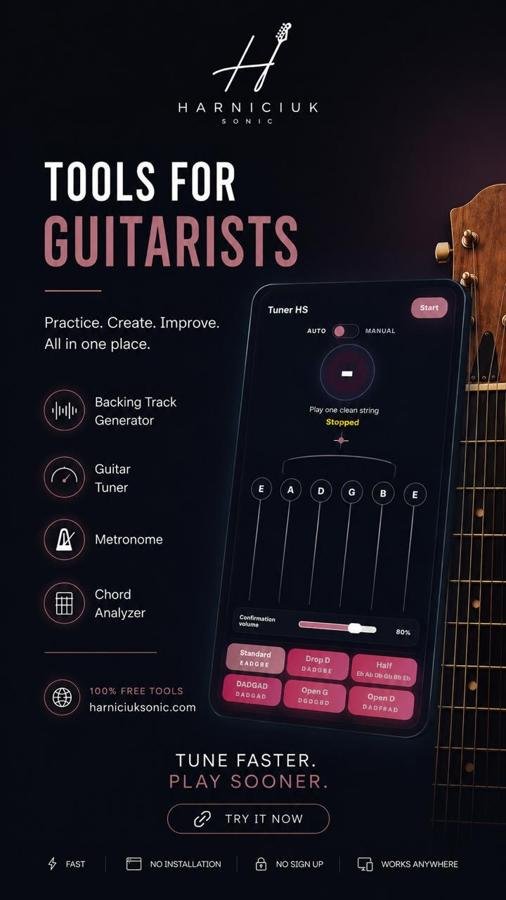
Leverage online tools such as spreadsheet checklists or dedicated gear comparison sites. On Harniciuk Sonic’s tools page, you can find utilities to help map out your current rig or plan upgrades. Document specs, prices, and user impressions for quick reference. This organized approach saves time, helps avoid impulse buys, and gives you a big-picture view of your gear path. Keeping notes also makes it easier to revisit choices if your needs shift later on, supporting the Harniciuk Sonic workflow for continuous improvement.
Recommended Settings and Examples
To ground your gear selection in reality, here are concrete starting points:
- Distortion/Overdrive: For classic rock, set gain between 10-11 o’clock, tone at noon, and level to match your clean volume. Try comparing the Boss DS-1 versus a boutique Klon clone on similar amp settings to hear practical differences in midrange character. For blues, try an Ibanez Tube Screamer with gain at 9 o’clock and tone at 1 o’clock into a Fender Hot Rod Deluxe for a warm, dynamic response.
- Practice Amp: For home use, a 10-15 watt solid-state amp with a 3-band EQ and headphone out covers most needs. Start with bass, mid, and treble at 12 o’clock, and adjust the gain for edge-of-breakup tones. Compare a Fender Mustang LT25 with a Blackstar ID:Core for tonal variety at low volume. Jazz players might prefer a Roland JC-22 for its clean headroom and stereo chorus.
- Multi-Effects: On a Zoom G1 Four, dial in a compressor with low sustain (around 2/10), light chorus, and a short digital delay (200ms, low mix) for versatile practice. Compare patch switching speed and usability with a Line 6 POD Go for workflow efficiency. For metal, try a Boss GT-1 with the “Hi Gain Stack” amp model and noise gate engaged for tight, articulate riffs.
- Recording Interface: For guitarists recording at home, start with an input gain so strumming peaks at -12 dBFS. Compare latency and direct monitoring on a Focusrite Scarlett Solo versus a Behringer UMC22 for similar price points. If you use amp sims, test how each handles high-impedance guitar inputs with a Fender Stratocaster and a Les Paul for tonal consistency.
These examples show that practical settings often outperform “signature” tones hyped in reviews. Always tweak to fit your guitar and style.
Common Mistakes in Gear Reviews & Buying Guides
- Chasing Trends Over Needs
Many guitarists buy gear based on what’s popular, rather than what solves their actual problems. For example, purchasing the latest boutique fuzz pedal because it’s trending, when a classic Electro-Harmonix Big Muff would better suit your sound. To avoid this, focus on how each item will fit into your playing, not just its reputation. Ignore “must-have” lists unless they match your style and goals. - Overlooking Hidden Costs
Some products require extra cables, power supplies, or software subscriptions. For instance, certain multi-effects units like the Line 6 HX Stomp need specific power adapters not always included. Always check what’s included and budget for necessary accessories. Read reviews for notes about reliability, warranty, and customer support to avoid expensive surprises. - Ignoring Real-World Use Cases
Reviews often test gear in ideal studio conditions. Before buying, ask: Will this pedal sound good at bedroom volume? Does the amp have a headphone out or aux input? For example, the Orange Micro Terror is praised for its tone, but lacks onboard reverb and headphone out, which may be dealbreakers for some. Match features to your environment, not just the review’s test scenario. - Believing Price Equals Quality
Higher price doesn’t always mean better sound or reliability. Many budget pedals, amps, and interfaces perform as well—or better—than premium models in everyday use. The Donner Yellow Fall delay, for example, is a favorite among gigging musicians for its simplicity and reliability despite its low cost. Compare features, return policies, and long-term user feedback instead of just the price tag. - Skipping Workflow Integration
It’s easy to buy new gear without considering whether it will complicate your setup. Before purchasing, visualize how the item will fit into your signal chain or recording process. For instance, adding a stereo reverb pedal like the Strymon BlueSky to a mono rig may require extra cables and power. Simpler solutions often lead to more consistent practice and creativity.
Frequently Asked Questions
- How do I know if a gear review is trustworthy?
Look for reviewers who disclose sponsorships and provide hands-on audio or video demos. Favor sources that compare multiple products, highlight both pros and cons, and include long-term usage impressions. User forums and independent blogs often offer more balanced feedback than commercial sites. For example, The Gear Page and Reddit’s r/guitarpedals community are known for honest, detailed user experiences. - Do I really need expensive boutique pedals or amps?
No—many affordable pedals and amps provide excellent tone and reliability. Boutique gear can offer unique sounds or build quality, but always test how it fits your style and budget. Listen to direct comparison demos and, if possible, try both types in your signal chain before deciding. For example, compare a JHS Morning Glory with a standard Boss Blues Driver to see which suits your blues or indie tones best. - What’s the best way to compare gear for my style?
Use comparison checklists focusing on your actual needs: genre, venue size, and rig compatibility. Watch demos using similar guitars and amps. Note how features like true bypass, effects loops, or MIDI apply to your workflow. Online tools like Harniciuk Sonic’s gear tools can help organize your options. - Should I prioritize features or tone when buying new gear?
Start with tone—if a piece of gear doesn’t inspire you, extra features won’t matter. However, don’t ignore workflow: ease of use and reliable controls are essential for practice and performance. The ideal gear balances sound, usability, and long-term flexibility for your needs. For example, a simple analog delay might be more inspiring than a feature-packed digital unit if it better fits your style.
Final Practical Takeaway
Smart gear choices aren’t about chasing trends or buying the most expensive option—they’re about matching real features to your playing style and workflow. Use reviews and buying guides as tools, not destinations. Focus on practical comparisons, test gear in context, and organize your options with checklists or online tools. By prioritizing needs over hype, you’ll build a setup that’s inspiring, reliable, and adaptable as your skills grow.